


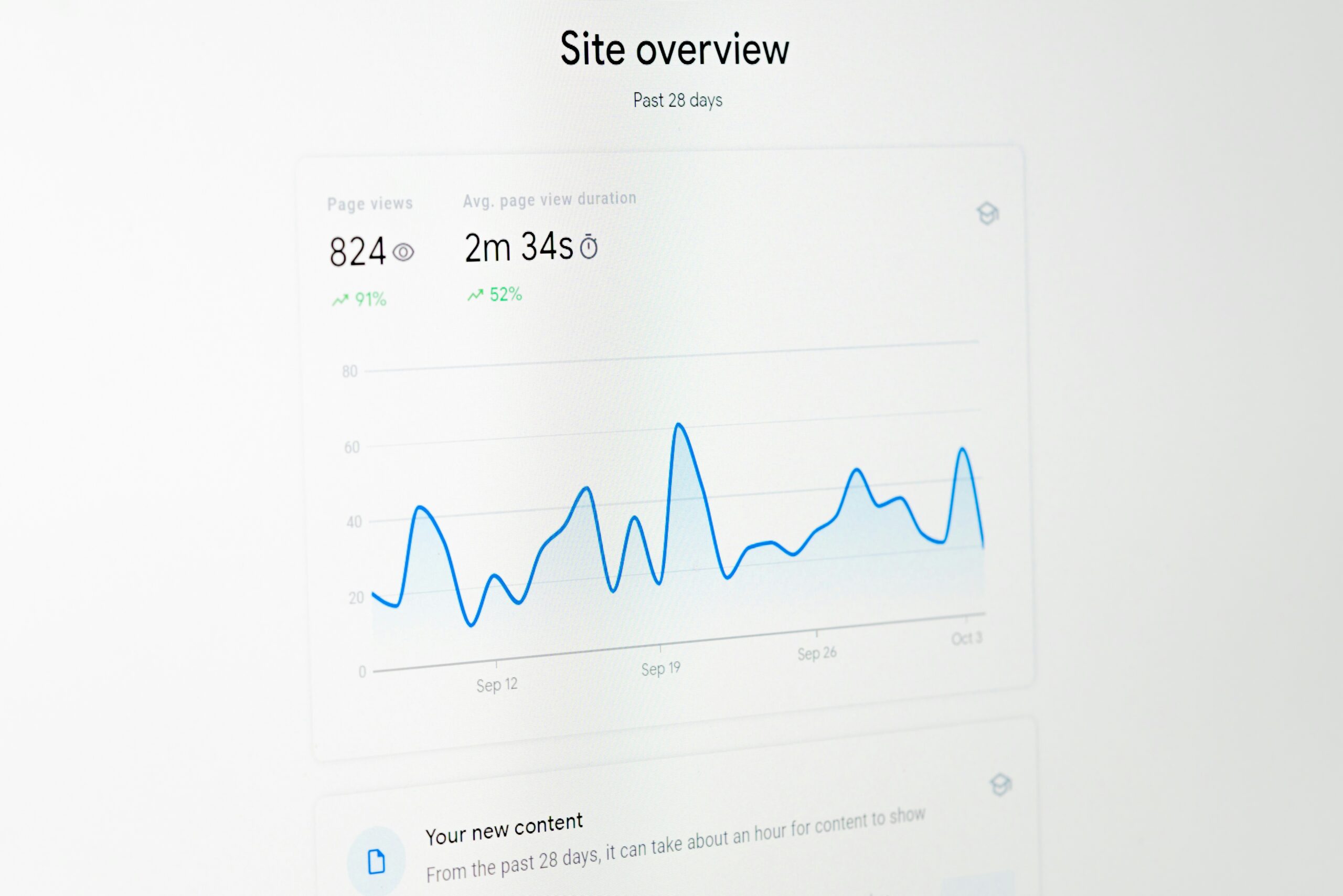
Having a website that isn’t ranking on Google can feel like shouting into the void. Without visibility in search results, your business may miss out on potential customers, leads and revenue. Many websites fail due to a combination of technical errors, weak content, poor SEO and ineffective marketing strategies. Understanding why your site is underperforming and implementing effective solutions can dramatically improve your online visibility.
In addition, Google considers multiple factors beyond content. Website speed, structure, security, user experience and authority all influence rankings. A slow-loading page or confusing navigation can increase bounce rates and signal to search engines that your site isn’t providing value. Similarly, content that is irrelevant, outdated or low-quality will fail to attract both users and search engines.
Is your website technically SEO-friendly?
Even the best content won’t rank if Google can’t crawl or index your site properly. Technical issues often go unnoticed but are critical for SEO success.
Key factors to check:
- Page speed: Websites that load slowly frustrate users and are penalised in search results. Compress images, reduce scripts and leverage caching.
- Mobile-friendliness: Google prioritises mobile-first websites. Ensure your design is responsive and easy to navigate on all devices.
- Secure HTTPS protocol: Security is vital. Sites without HTTPS are considered less trustworthy and may rank lower.
- Crawlability: Use XML sitemaps and clean robots.txt files to guide search engines through your website efficiently.
- Fix broken links & errors: Regularly check for 404 errors or broken redirects that can harm rankings.
Is your content relevant and engaging?
Content remains one of the most important ranking factors. Google rewards websites that provide value to users and answer their queries comprehensively.
Content strategies that work:
- Keyword research: Use tools to identify what your audience is searching for, then create content tailored to those queries.
- High-quality copy: Write content that is informative, structured and easy to read with headings, bullet points and visuals.
- Multimedia content: Videos, infographics and images increase engagement and time spent on your site.
- Regular updates: Keep your content fresh and relevant to maintain rankings and attract repeat visitors.
At Sniro, we develop content strategies that align with both user intent and SEO best practices, helping websites rank higher and attract the right audience.
Are your on-page SEO elements effective?
On-page SEO ensures Google understands each page of your website and its relevance to search queries.
Critical on-page elements:
- Meta titles & descriptions: Use compelling, keyword-rich titles to increase click-through rates.
- Headings: Structured headings improve readability and signal page hierarchy to Google.
- Internal linking: Guides visitors and distributes authority across your website.
- URL structure: Keep URLs short, descriptive and keyword-friendly.
Is your website gaining quality backlinks?
Backlinks from authoritative websites indicate to Google that your site is trustworthy and valuable. Without them, ranking becomes extremely difficult.
Ways to build backlinks:
- Guest blogging: Share your expertise on reputable websites and include links back to your site.
- Collaborations: Partner with complementary businesses to gain credible backlinks.
- Shareable resources: Guides and case studies naturally attract links.
- Local listings: For local businesses, directory listings improve both authority and local SEO.
Are you tracking your SEO performance?
Tracking allows you to measure results, identify opportunities, and adjust strategies. Without monitoring, it’s impossible to know what’s working.
Essential tracking methods:
- Google Analytics: Monitor traffic, user behaviour and conversions to measure performance.
- Google Search Console: Detects crawl errors, indexation issues and monitors keyword rankings.
- Regular SEO audits: Identify technical, on-page and content-related issues before they affect rankings.
Are you targeting the right keywords for your audience?
Ranking for the wrong keywords can attract traffic that doesn’t convert. Targeted keywords ensure your website reaches the right audience.
Keyword targeting tips:
- Mix short-tail and long-tail keywords to capture both broad and specific search intent.
- Analyse competitor keywords to find opportunities.
- Prioritise search intent: informational, transactional, or navigational.
Is your website user-friendly and engaging?
User experience affects both search rankings and conversion rates. A website that’s difficult to navigate or unattractive will drive visitors away.
Core components of a strong user experience:
- Clear navigation: Visitors should find what they need quickly.
- Responsive design: Works across all devices, from desktops to smartphones.
- Call-to-actions: Encourage users to take action, such as signing up or making a purchase.
- Visual appeal: Clean, modern design builds trust and encourages longer visits.
How does local SEO affect your rankings?
For businesses serving a specific region, local SEO is critical for appearing in “near me” searches.
Local SEO strategies:
- Claim and optimise your Google Business Profile.
- Maintain consistent NAP (Name, Address, Phone) across all online directories.
- Encourage customer reviews to improve credibility and visibility.
- Include local keywords in content, meta descriptions and headings.
Why choose Sniro?
Sniro is a leading digital marketing agency in London, delivering data-driven strategies that help businesses increase brand visibility, generate quality leads and achieve measurable growth. As a full-service agency, Sniro combines expertise in web design, web development, eCommerce solutions, SEO, PPC, social media marketing, and conversion rate optimisation (CRO) to create powerful digital experiences that turn clicks into customers. Contact Sniro to get started today.
FAQs
Why isn’t my website ranking on Google?
Common reasons include technical issues, poor content, lack of backlinks or ineffective keyword targeting.
How long does it take to rank on Google?
Most websites see improvements in 3–6 months with consistent optimisation but highly competitive industries may take longer.
Can I fix SEO issues myself?
Does website design affect rankings?
Yes. Websites that are slow, unresponsive or hard to navigate negatively affect both user experience and search rankings.
How often should I update my website content?
Key pages should be reviewed every 3 months to keep information accurate and relevant.