


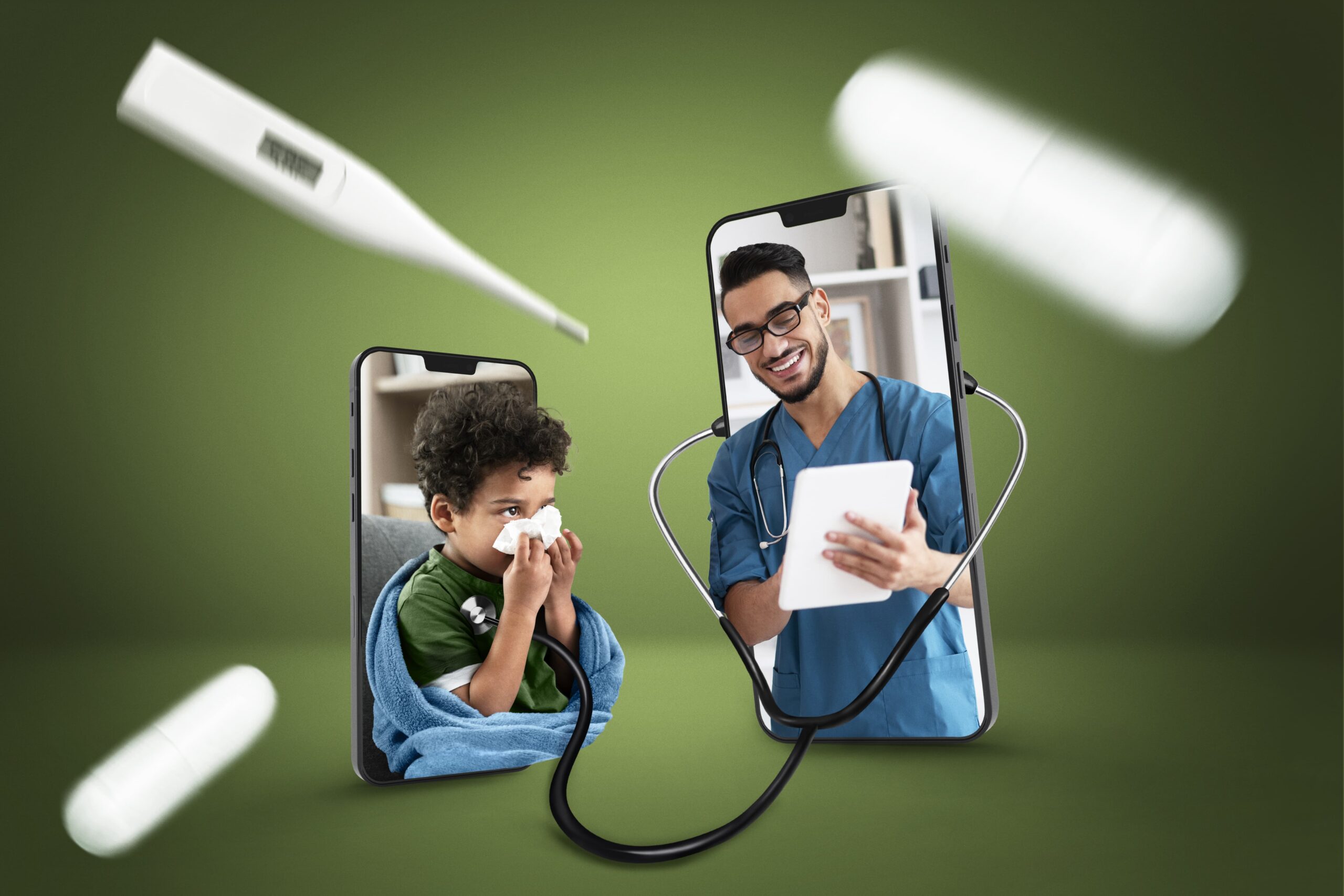
In the modern era, healthcare is evolving rapidly, and technology plays a pivotal role in making medical services more accessible. Among these innovations, doctor-on-demand apps have emerged as a leading digital healthcare solution. With advances in healthcare web development, these applications connect patients with qualified medical professionals instantly, offering consultations without a physical visit to a clinic or hospital.
Whether you are a healthcare provider looking to expand patient access, a startup entrepreneur exploring innovative business opportunities or a tech enthusiast interested in the latest digital health solutions, gaining a comprehensive understanding of the doctor-on-demand app development process is essential.
What is a doctor-on-demand app?
A doctor-on-demand app is a mobile or web-based platform that lets users consult healthcare professionals remotely. Patients can schedule appointments, get prescriptions, receive health advice and in some cases, monitor their health metrics in real-time. These apps bridge the gap between traditional healthcare and digital convenience, making medical services more accessible to everyone.
Why do healthcare organisations invest in doctor-on-demand apps?
Expanded reach
Telehealth apps remove geographical constraints, allowing healthcare providers to serve patients in remote or underserved regions. By offering virtual consultations, organisations can:
- Extend services to rural or hard-to-reach populations
- Offer round-the-clock care across multiple time zones
- Scale operations without opening new clinics
- Establish a multi-regional or global presence
This digital-first model empowers healthcare organisations to function with technology-driven enterprises, enhancing patient access, streamlining operational efficiency and strengthening brand presence all at once.
Multiple revenue models
Doctor-on-demand applications provide a range of monetisation options, allowing healthcare businesses to generate income in different ways. These include:
- Per-consultation fees or commission-based revenue: Charging patients for each virtual appointment or taking a percentage commission from doctors using the platform.
- Subscription plans: Offering monthly or annual subscriptions for individuals, families or corporate wellness programmes that provide ongoing access to virtual consultations.
This variety of revenue models reduces dependence on traditional, location-based income sources and helps create a more stable and resilient financial structure.
Enhanced brand reputation
In today’s digital landscape, convenience is no longer optional. It is an expectation, even in healthcare. Organisations that deliver seamless, on-demand medical services demonstrate innovation and patient-centric thinking, which strengthens trust and overall brand perception. Consistently positive experiences within the app help position the organisation as reliable, responsive and forward-thinking. Over time, this builds lasting brand value and supports sustained competitiveness in an increasingly digital healthcare ecosystem.
Core features of a doctor-on-demand app
Developing a doctor-on-demand app requires careful planning and understanding of both healthcare and technology. Here are essential features your app should include:
User registration and profiles
Patients and doctors must create profiles with relevant details. For patients, this may include medical history, allergies and preferred payment methods. Doctors should include credentials, specialisations and availability.
Appointment scheduling
A robust appointment scheduling system is essential for a doctor-on-demand app. It allows patients to view available time slots and book consultations at their convenience, reducing wait times and improving overall user experience. Doctors can manage their schedules, set availability and allocate specific time slots for virtual consultations.
Video and audio consultations
High-quality video and audio capabilities are critical for effective remote healthcare services. Secure, real-time communication ensures that patients and doctors can interact just like in an in-person consultation. The system must use encrypted communication protocols to protect patient confidentiality and comply with data privacy regulations.
Prescription management
Prescription management refers to the ability of doctors to generate and send prescriptions digitally through the application after a consultation. When the platform is integrated with pharmacies or medicine delivery services, patients can forward their prescriptions directly for fulfilment. This reduces delays, minimises errors caused by illegible handwriting and improves overall convenience.
Payment gateway integration
Payment gateway integration enables the application to process financial transactions securely and efficiently. A well-integrated system allows patients to pay consultation fees using credit cards, debit cards, digital wallets or other online payment methods directly within the app.
Steps to develop a doctor-on-demand app
Developing a doctor-on-demand application is a structured and multi-stage process that requires careful planning, technical expertise and compliance with healthcare regulations. Below are the essential steps involved:
Market research
Before development, conduct comprehensive research to understand market demands, competitors and user preferences. Identify gaps in existing solutions and unique selling points for your app.
Define app type
Before development begins, it is important to clearly define the type of doctor-on-demand application you want to create. This decision determines the app’s features, target audience and marketing strategy. Defining the app type early helps guide feature development, user interface design and partnerships with healthcare professionals.
Choose the right technology stack
Selecting suitable technologies is crucial for app performance and scalability. Consider using:
- Frontend: React Native or Flutter for cross-platform compatibility.
- Backend: Node.js or Django for robust server-side functionality.
- Database: PostgreSQL or MongoDB for efficient data storage.
- Cloud Services: AWS or Google Cloud for scalability and security.
UI/UX design
A well-designed user interface and user experience are vital for a doctor-on-demand app. A clean and intuitive interface allows users to navigate the application effortlessly, find relevant information and complete actions such as booking appointments or accessing prescriptions without confusion.
Development and integration
Development involves building the core modules for both patients and doctors, each tailored to their specific needs. Patient modules typically include appointment scheduling, consultation history, prescription management and payment processing. Doctor modules may include patient records, appointment management and communication tools.
Testing
Thorough testing is critical to ensure the application performs reliably, protects sensitive medical data and delivers a seamless user experience. Before launch, it is important to conduct multiple stages of testing. Comprehensive testing helps minimise errors, strengthen security and ensure the application meets both technical standards and user expectations.
Launch and marketing
Once the application has been thoroughly tested, it can be deployed on major distribution platforms such as the Apple App Store and Google Play Store. Implement a marketing strategy that includes SEO, social media promotion and collaborations with healthcare providers. A strong marketing strategy is equally important for successful adoption, and continuous marketing efforts help attract new users while maintaining engagement with existing ones.
Post-launch maintenance
Post-launch maintenance is essential to ensure the long-term success and reliability of a doctor-on-demand application. After deployment, continuous monitoring helps identify performance issues, security vulnerabilities and areas for improvement. Regular updates, bug fixes and feature enhancements are necessary to retain users and ensure the app remains competitive.
Conclusion
Doctor-on-demand apps are transforming the way healthcare is delivered, making it faster, more convenient and accessible to everyone. By connecting patients with qualified medical professionals instantly, these apps save time, reduce travel and simplify the healthcare experience. For healthcare organisations and entrepreneurs, developing a doctor-on-demand app offers a unique opportunity to expand reach, generate new revenue streams and strengthen brand reputation in a competitive digital landscape.
At Sniro, we specialise in creating intuitive, secure and fully customised doctor-on-demand applications. Our expertise ensures that your app not only meets regulatory and technical standards but also delivers a seamless experience for both patients and doctors. Whether you are looking to launch a new healthcare platform or enhance an existing service, we provide end-to-end solutions to bring your vision to life. Contact Sniro today to discuss how we can help you develop a powerful doctor-on-demand app that meets your goals and exceeds user expectations.
FAQs
How to build a medical app for doctors?
Plan the app features, choose the right technology stack, design intuitive UI/UX, develop patient and doctor modules, integrate secure video, chat and payment systems, test thoroughly and launch with ongoing maintenance.
What are the on-demand app development services?
Services include app strategy, UI/UX design, mobile and web development, backend setup, API integration, payment gateway setup, testing, deployment and post-launch maintenance and support.
How do doctor-on-demand apps generate revenue?
How can a doctor-on-demand app enhance patient care?
By offering instant consultations, reducing waiting times, enabling digital prescriptions and providing accessible healthcare from any location, these apps improve the overall healthcare experience and patient satisfaction.
Why do healthcare organisations invest in doctor-on-demand apps?
By offering instant consultations, reducing waiting times, enabling digital prescriptions and providing accessible healthcare from any location, these apps improve the overall healthcare experience and patient satisfaction.